

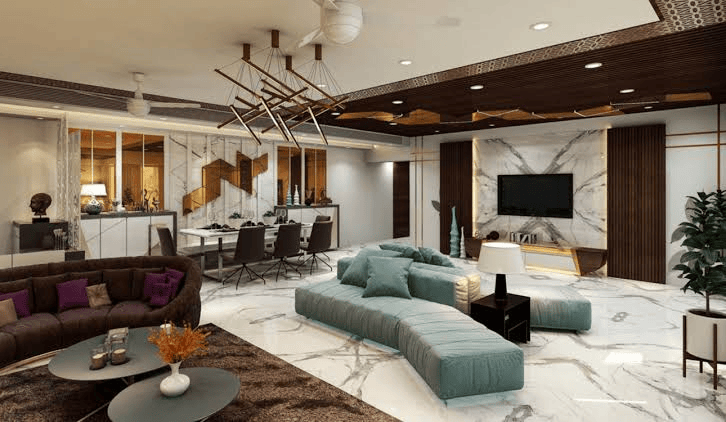
Budget-Friendly Interior Design Ideas for Homes
Creating a beautiful home does not always require an unlimited budget.
With careful planning, homeowners can improve the appearance and functionality of their interiors without spending money on unnecessary features.
The key is to understand where your budget will have the greatest impact.
For homeowners in Kochi planning a renovation, apartment interior or new home, a well-planned design can help prioritise essential improvements while avoiding unnecessary expenses.
1. Start With a Realistic Budget
The first step is understanding how much you can comfortably spend.
Divide the budget into categories such as:
- Kitchen
- Wardrobes
- Living room
- Bedrooms
- Lighting
- Electrical work
- Painting
- Furniture
- Décor
- Labour and installation
Keeping a buffer for unexpected expenses is also sensible.
2. Prioritise Functionality
Before spending money on decorative features, make sure the basic functionality is correct.
Prioritise:
- Storage
- Kitchen functionality
- Comfortable furniture
- Lighting
- Electrical points
- Proper circulation
A beautiful feature wall will not solve a poorly planned kitchen.
3. Choose Materials Carefully
The cheapest material is not necessarily the most economical.
Consider the total value over time.
Ask:
- How durable is it?
- How easy is it to maintain?
- Is replacement easy?
- Does it suit the room?
- Is there a warranty?
- Will the finish remain attractive?
A slightly better material may provide better long-term value.
4. Use One Feature Wall Instead of Decorating Every Wall
If your budget is limited, focus on one important wall.
For example:
- TV wall
- Bed headboard wall
- Dining wall
- Entrance wall
A single well-designed feature can create a strong visual impact.
The remaining walls can remain simple.
5. Invest in Good Lighting
Lighting can dramatically improve an interior without requiring major construction.
You can combine:
- Ceiling lights
- Wall lights
- Pendant lights
- Under-cabinet lighting
- Floor lamps
Choose lighting according to the room’s purpose.
A warm light can create a comfortable living room atmosphere, while brighter task lighting is useful in kitchens and workspaces.
6. Choose Furniture According to the Room
Do not buy furniture simply because it looks attractive in a showroom.
Measure your space first.
Large furniture can make a compact room feel crowded.
For smaller homes, consider:
- Compact sofas
- Storage beds
- Extendable tables
- Multipurpose furniture
- Wall-mounted units
7. Maximise Existing Storage
Before building additional cabinets, check whether your existing storage can be reorganised.
Use:
- Drawer organisers
- Shelf dividers
- Storage boxes
- Vertical space
- Under-bed storage
Better organisation can sometimes solve a storage problem without major construction.
8. Refresh Instead of Replacing
Not everything needs to be replaced.
Consider refreshing:
- Cabinet shutters
- Wall colours
- Curtains
- Lighting
- Handles
- Decorative accessories
A simple change in hardware or colour can give an older unit a different appearance.
9. Use Plants and Natural Elements
Indoor plants can add life and colour to a room.
You can also introduce natural elements through:
- Cane baskets
- Wooden accessories
- Woven fabrics
- Natural rugs
- Indoor planters
These details can make an interior feel warmer without requiring expensive decorative pieces.
10. Avoid Too Many Trends
Following every design trend can become expensive.
Instead, select a timeless foundation.
Use:
- Neutral walls
- Functional furniture
- Good storage
- Quality lighting
Then introduce current trends through easily replaceable items such as cushions, artwork and décor.
11. Plan the Kitchen Carefully
The kitchen is an area where budget decisions matter greatly.
Instead of adding unnecessary decorative features, focus on:
- Efficient storage
- Good hardware
- Appropriate countertops
- Easy-to-maintain finishes
- Proper lighting
- Functional layout
The best kitchen is not necessarily the most expensive one.
It is the one that works well every day.
12. Use a Consistent Colour Scheme
You do not need a different colour scheme in every room.
A consistent palette can make the home feel more professionally designed.
Choose a base colour and two or three complementary tones.
This approach also makes furniture and accessories easier to coordinate.
13. Plan Before Starting Work
One of the biggest ways to waste money is changing decisions after execution has already started.
Before beginning work, finalise as much as possible:
- Layout
- Materials
- Colours
- Lighting
- Electrical points
- Furniture
- Storage
- Kitchen configuration
A clear plan can reduce unnecessary rework.
14. Work With an Interior Designer
It may seem that hiring a designer adds cost, but professional planning can help homeowners avoid expensive mistakes.
A designer can help identify:
- Poor space planning
- Unnecessary features
- Storage problems
- Material mismatches
- Lighting issues
- Furniture sizing problems
Professional design is particularly useful when multiple rooms need to be coordinated.
15. Don’t Sacrifice Quality in Important Areas
A limited budget does not mean every component should be low-cost.
Instead, prioritise.
For example, you may choose to spend more on:
- Kitchen hardware
- Wardrobe mechanisms
- Frequently used furniture
- Work surfaces
- Essential lighting
and save money on:
- Decorative accessories
- Temporary décor
- Non-essential features
This creates a better balance.
Final Thoughts
Budget-friendly interior design is about making intelligent decisions rather than simply spending less.
A well-planned home can look elegant and feel comfortable even when the budget is controlled.
For homeowners in Kochi, the right combination of space planning, storage, lighting, materials and personalised design can transform an ordinary property into a functional and attractive home.
If you are planning an interior project and want to understand how to use your budget effectively, a professional interior design company in Kochi can help you prioritise the elements that matter most.
DecorAndArt can help homeowners explore practical interior solutions based on their space, requirements, design preferences and project goals.